First the Range, Now the Interior! How Are Chinese EVs Leading the Global Luxury Standards? The Answer Lies in This "Hidden Black Tech." From a "plastic feel" to a "top-tier luxury cabin," the lightweighting of interior materials is rewriting global automotive aesthetics. See how the IMG female mold vacuum forming process is disrupting tradition!
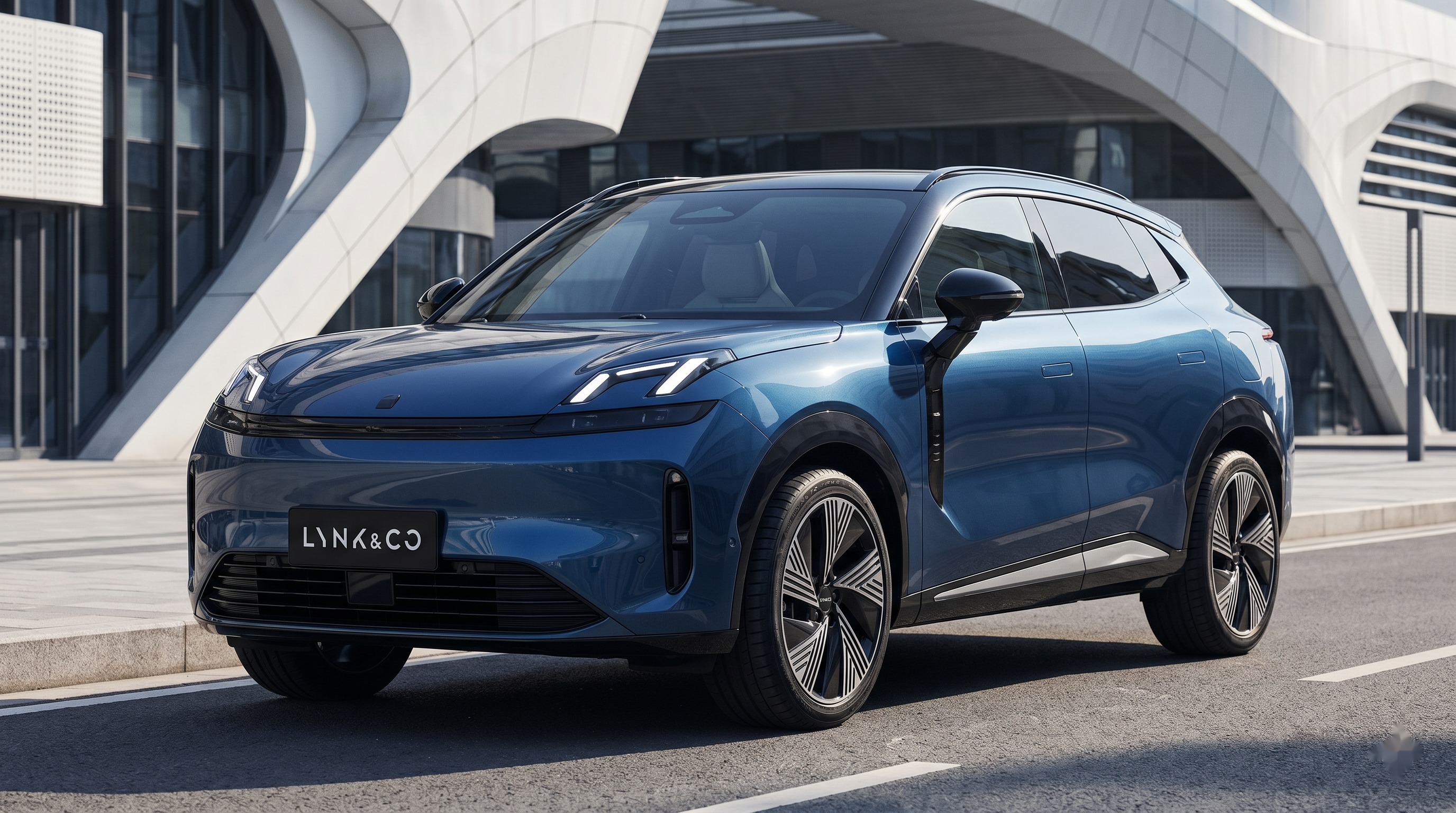
Figure 1: Lynk & Co 08, a Chinese new energy EV, stands out in the market with its ultimate design and craftsmanship
Why are the requirements for interior materials in new energy vehicles so much more stringent than those for internal combustion engine (ICE) cars? There is an "ultimate paradox" in the electric era:
Range Anxiety and Lightweighting: Due to the heavy battery packs they carry, electric vehicles face immense pressure to reduce overall weight. As one of the largest and most optimizable areas of a vehicle, the interior's lightweighting directly impacts the car's driving range and energy efficiency.
Quiet Cabins and Tactile Flaws: Without the roar of an internal combustion engine, the quietness inside an EV reaches unprecedented levels. In this extremely quiet environment, any friction noise from plastic components or a visually rough surface is magnified several times, easily creating a cheap "plastic feel."
The demand for both extreme lightweighting to secure range, and a top-tier, delicate, skin-friendly tactile feel with high-precision visual presentation: this conflict, which traditional industry struggled to reconcile, is precisely the driving force behind the epic tech iterations in China's automotive supply chain.
In the process of breaking this paradox, a process hailed as the "hidden black tech" of the interior world has taken center stage: the IMG (In-Mold Graining) female mold vacuum forming process.
In the past, traditional automotive interiors mostly utilized male mold vacuum forming. In the male mold process, the sheet material is stretched over a convex mold, which causes the material to over-stretch and thin out at the edges and blind corners, and can even cause the inherent grain on the leather or PVC surface to be "washed away" or distorted. To conceal this defect, thicker and heavier materials are often required, which runs completely counter to lightweighting.
The IMG process completely changes this logic. Its core advantages are demonstrated in the following three dimensions:
Up to 100% Texture Retention: The IMG process directly engraves extremely fine leather grains and geometric textures into the internal cavities (female mold) of the tool. Once the heated, ultra-thin lightweight skin is fed into the mold, a powerful vacuum generated through micro-holes perfectly draws the skin against the inner walls of the mold. The texture is "embossed" onto the skin during the very last step of vacuum forming, ensuring that no matter how complex the 3D curvature is, the texture remains absolutely uniform and delicate.
Extremely Uniform Wall Thickness: Uniform negative vacuum pressure suction ensures an extremely consistent material thickness, eliminating the phenomenon of stretching and thinning.
Both Weight Reduction and Eco-Friendliness: Since thick and heavy substrates are no longer required to cover up stretching defects, ultra-thin and ultra-light composite skins can be used, reducing the weight of a single interior component by 20% to 30%.
This process not only endows the interior with an unparalleled luxurious texture, but also pushes material weight to the absolute limit, becoming the winning weapon for Chinese EVs to lead the world in interiors.
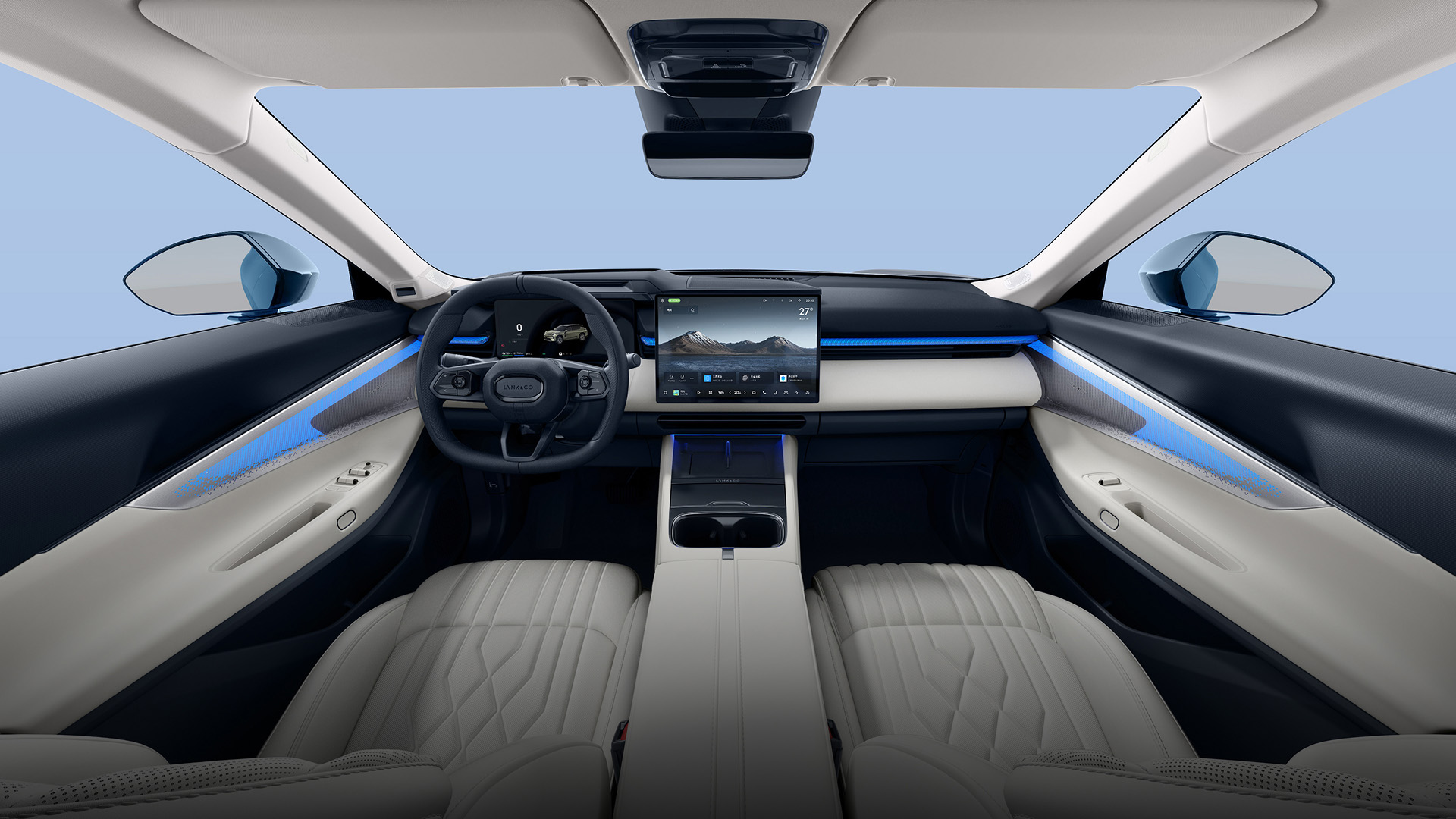
Figure 2: Lynk & Co 08 intelligent cockpit features rich interior lines and complex curved surfaces, placing extremely high demands on the wrapping process.
Because we are recognized and trusted, we choose to go all out, turning the impossible into reality. Through the joint efforts of the Lynk & Co and CDM-TECH teams, the lead time for the Lynk & Co 08's IMG molds was a mere 60 days, shattering the world record for IMG mold delivery. Next, let us explore the solid international competitiveness of this hidden champion in its niche sector.
Excellent process theories must rely on top-tier precision manufacturing capabilities to be successfully implemented. Within China's new energy vehicle supply chain, CDM-TECH (Fuzhou Chuande Technology Co., Ltd.) is a representative homegrown enterprise that has pushed the IMG process to its limits, holding the patent rights for this technology. Taking the Lynk & Co 08 as an example, its creation embodies CDM-TECH's high-end, sophisticated mold technology.
The interior of the Lynk & Co 08 adopts a large number of complex, deep 3D curves and highly futuristic geometric textures. To ensure that the tactile feel in every single corner of the mass-produced car is consistently delicate, CDM-TECH delivered a perfect scorecard through the following hardcore manufacturing workflows:
The internal surface texture of the IMG female mold cannot be perfectly rendered using traditional mechanical engraving. CDM-TECH utilized the cutting-edge electroformed nickel shell process. By depositing nickel layers at an atomic level onto a precise, ultra-sensory textured master mold, a high-purity nickel shell is grown over hundreds of hours. This process perfectly replicates 1:1 micron-level textures while simultaneously ensuring extremely high mold hardness and superior thermal conductivity performance.

 Figure 3-4: High-precision IMG electroformed nickel shell molds independently produced by CDM-TECH
The image below showcases the details of the IMG wrapping mold customized and developed by CDM-TECH for the Lynk & Co 08. We can clearly observe its unique, highly futuristic hexagonal microfluidic geometric texture. Thanks to the uniform force distribution of the female mold vacuum suction, the hexagonal texture remains completely free of stretching and distortion — even on parting surfaces with large inclination angles exceeding 80 degrees and sharp R-angle transitions. The grain boundaries remain crisp and sharp, achieving an excellent sense of visual layering and a skin-friendly, premium tactile damping feel.


Figure 5-9: Various production stages and wrapping mold inspection details of CDM-TECH IMG—the hexagonal texture on complex 3D curved surfaces is extremely precise and well-defined
Ultimately, empowered by CDM-TECH's IMG molds, the interior molded components of the Lynk & Co 08 achieved flawless industrial mass production. The ultra-lightweight composite skin and substrate are bonded under vacuum in a single step—free of wrinkles, bubbles, or surface defects. This not only drastically reduces the weight of large components like the dashboard and door panels, but also endows the entire vehicle cabin with an intergenerational, top-tier luxury feel.

Figure 10: High-quality interior molded structural component after forming via the IMG process
The core reason Chinese EV interior standards are leading the world is that automakers are no longer blindly worshiping expensive overseas raw materials. Instead, they rely on top-tier homegrown manufacturing enterprises with deep technological roots like CDM-TECH. Through process innovation and precision mold R&D, they have pushed both "lightweighting" and "luxury texture" to the absolute limit simultaneously.
From "followers" to "definers," China's supply chain is rewriting a brand-new chapter of luxury in the global automotive industry with micron-level precision and high-efficiency innovation. This is the true foundation of confidence for Chinese new energy vehicles to face global competition without fear!


