In the MPV market, the Toyota Sienna has always been a favorite among families and business professionals, thanks to its spacious interior and exceptional comfort. To break away from the 'flat' and 'dull' interiors of traditional MPVs, designers have boldly worked their 'spatial magic' on the inner door panels—creating a highly visually striking, 3D streamlined design.
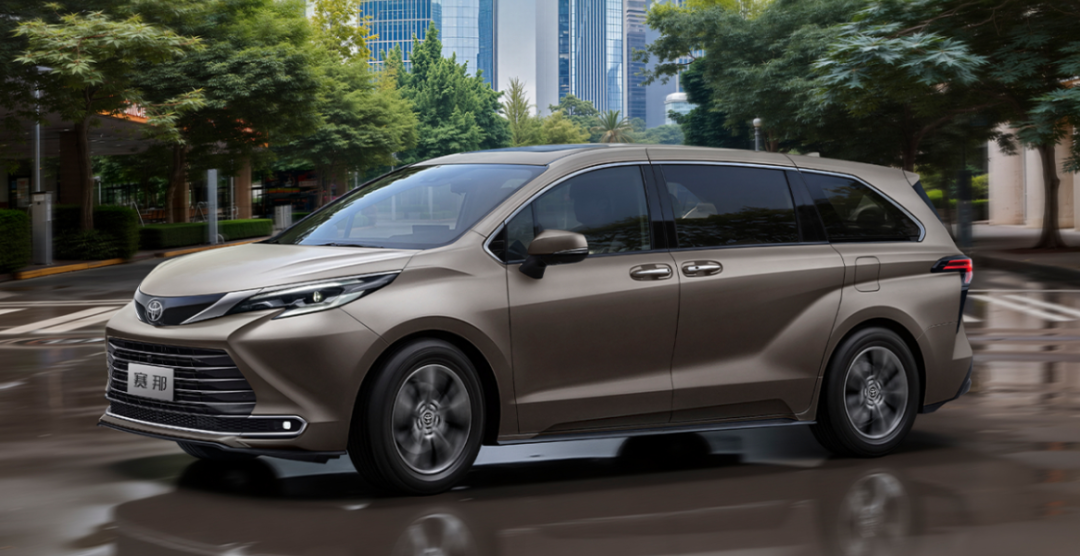
However, those gracefully contoured 3D surfaces, with their captivating interplay of light and shadow, presented the manufacturing team with a massive challenge: How do you replicate these complex 3D curves using IMG molds to define the interior's core design language, while flawlessly applying a premium leather-textured skin—all without adding costs, and with absolutely zero wrinkling, warping, or texture distortion? The answer lies in the IMG process itself.
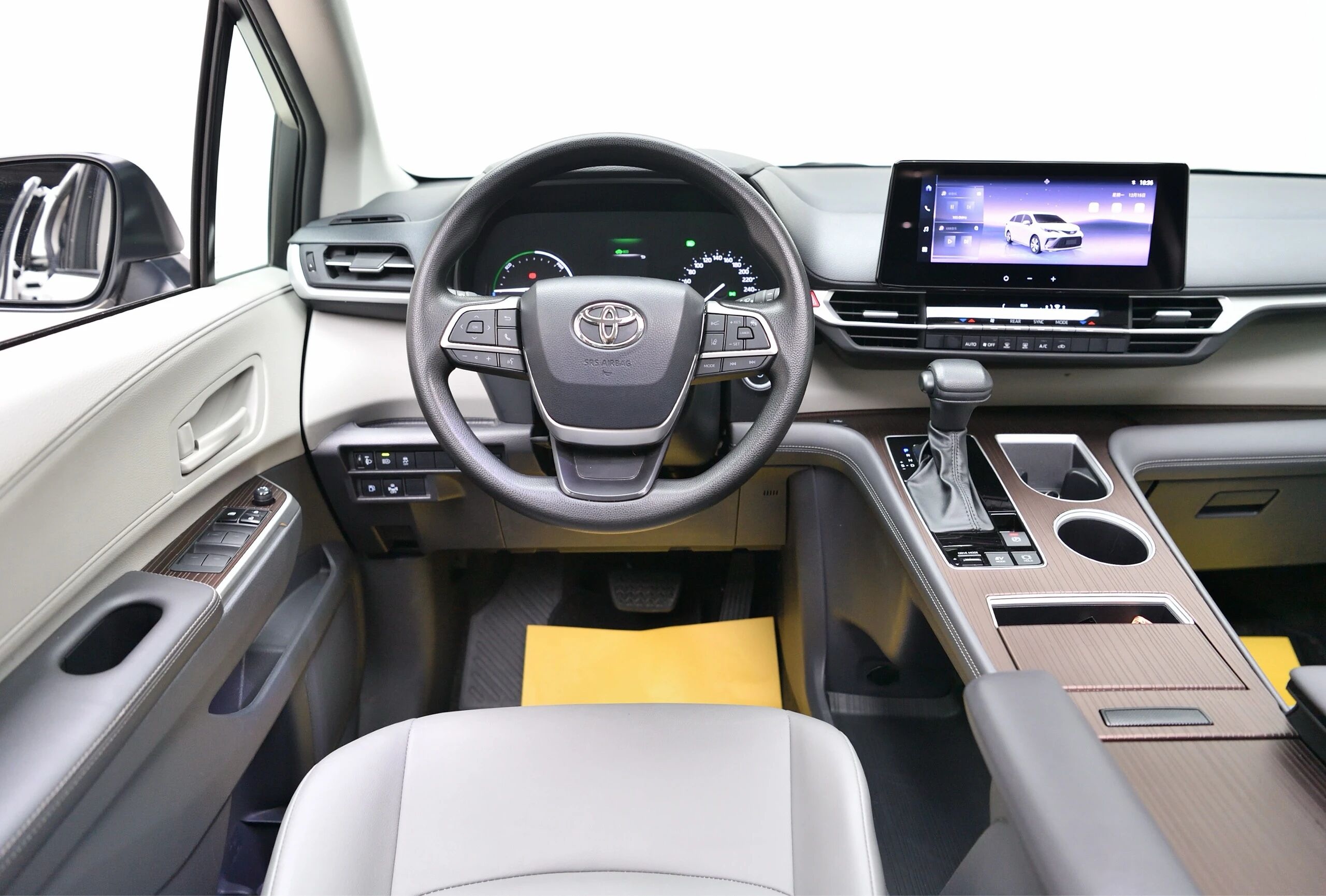
Take a close look at the upper door trim of the Toyota Sienna, and you will realize it is not a simple, monotonous flat surface, but a highly sculptural 3D component.
The ultimate challenge of this project was that designers took a fundamentally flat base and boldly used four styling curves to achieve a twisted geometry along the 3D spatial normal. Not only are these four curves spatially parallel in pairs, but they also feature complex multi-curvature twists. Furthermore, there was an incredibly strict requirement that the depth, width, and cross-sectional dimensions of the creases remain absolutely uniform.
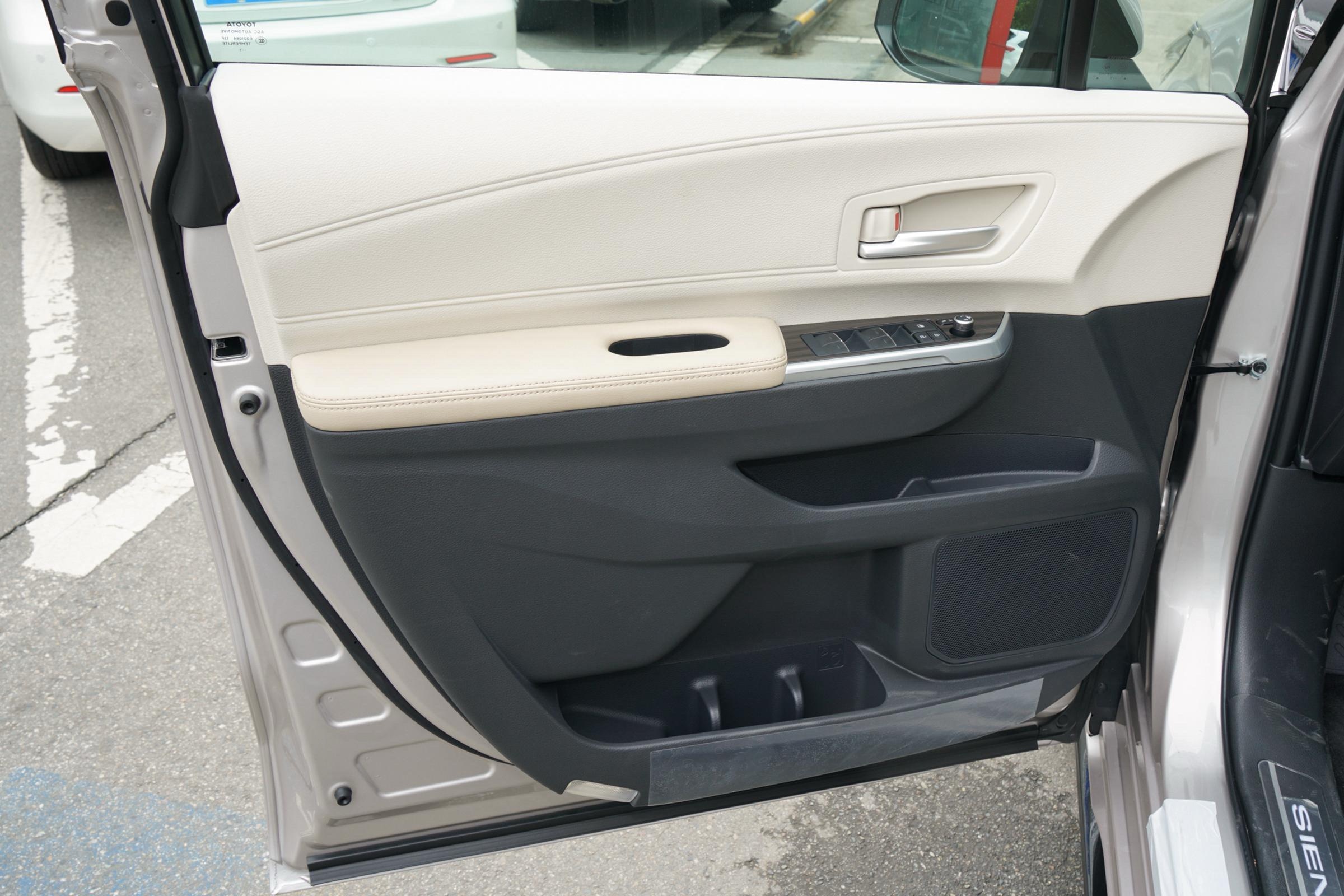
This 3D design precisely outlines the primary design language of the interior, delivering a powerful sense of depth and visual diversity within the confined space of the door. Imagine if it lacked these highly dynamic curved surfaces—the styling of the upper door panel would appear incredibly rigid and dull. Conversely, attempting to achieve this multi-curvature 3D geometry through traditional splicing techniques would incur prohibitively high manufacturing costs.
To ensure the designer's 3D creative vision wasn't compromised, and to rescue customers from the dilemma that 'good design costs extra,' IMG forming technology stepped into the spotlight.
The core appeal of IMG technology lies in its ability to use vacuum forming to directly "imprint" complex 3D curved surfaces and leather textures onto the material in a single step via the mold—all without adding any extra costs. Let's take a look at exactly how this technological chasm was bridged:
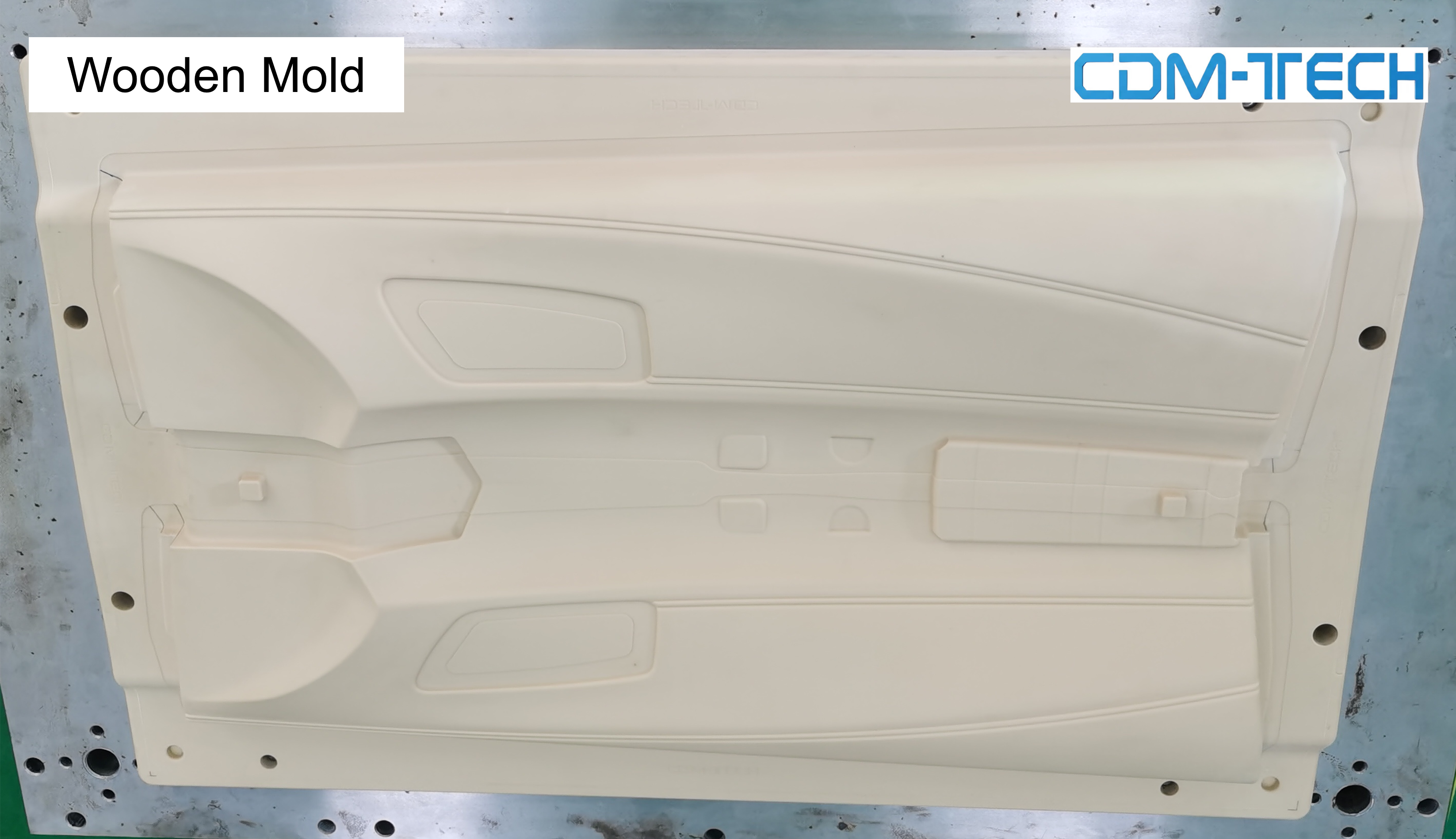
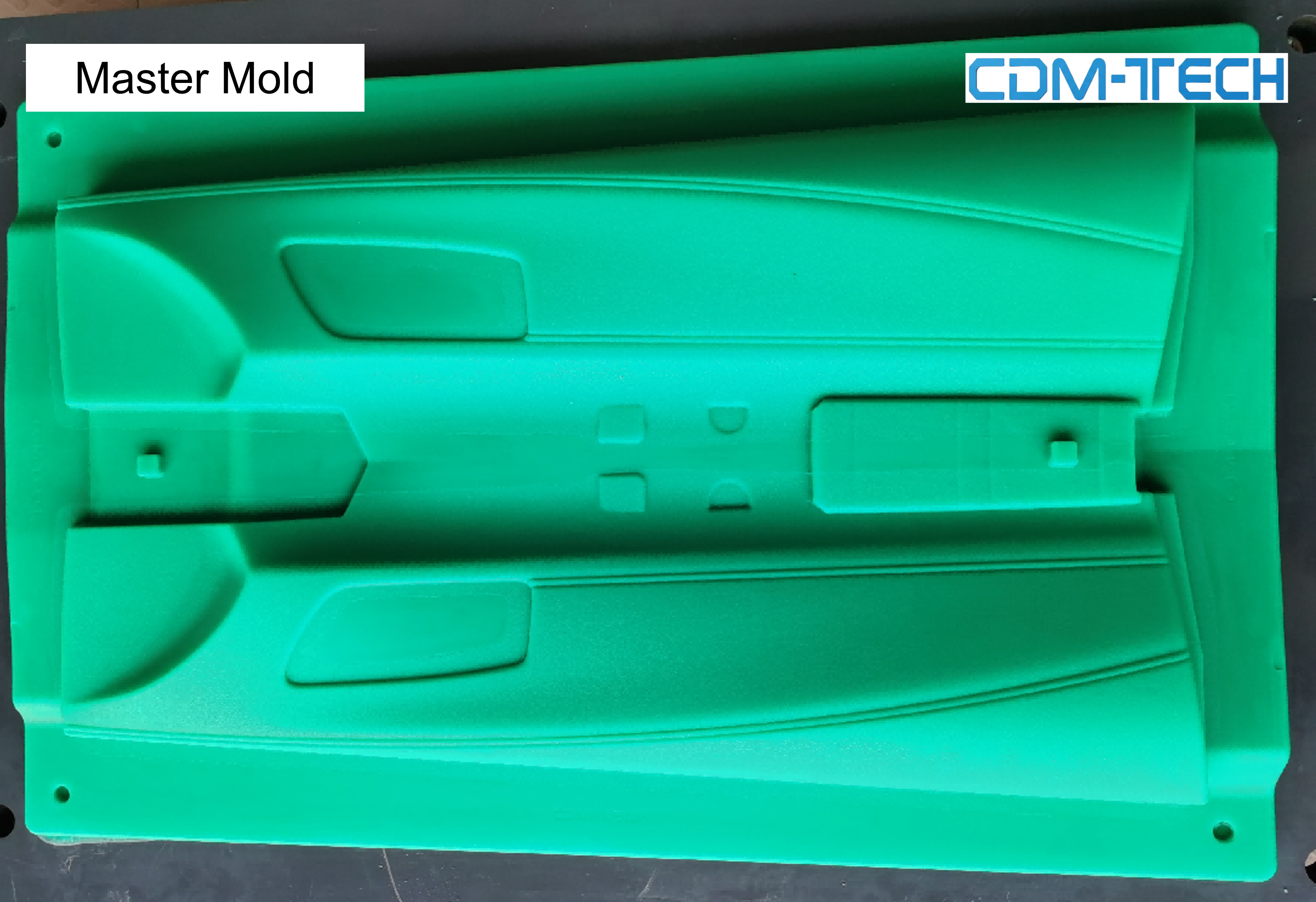
Step 1: Precisely Outlining 3D Contours (Wooden Model & Master Model)
To achieve perfect three-dimensionality and sharp aesthetics, the foundational base must be flawless down to the millimeter. Through high-precision CNC machining, the tooling board and master model lock in those four multi-curved, twisted styling lines at an exact 1:1 ratio. This establishes the solid framework for the entire interior's primary design language.
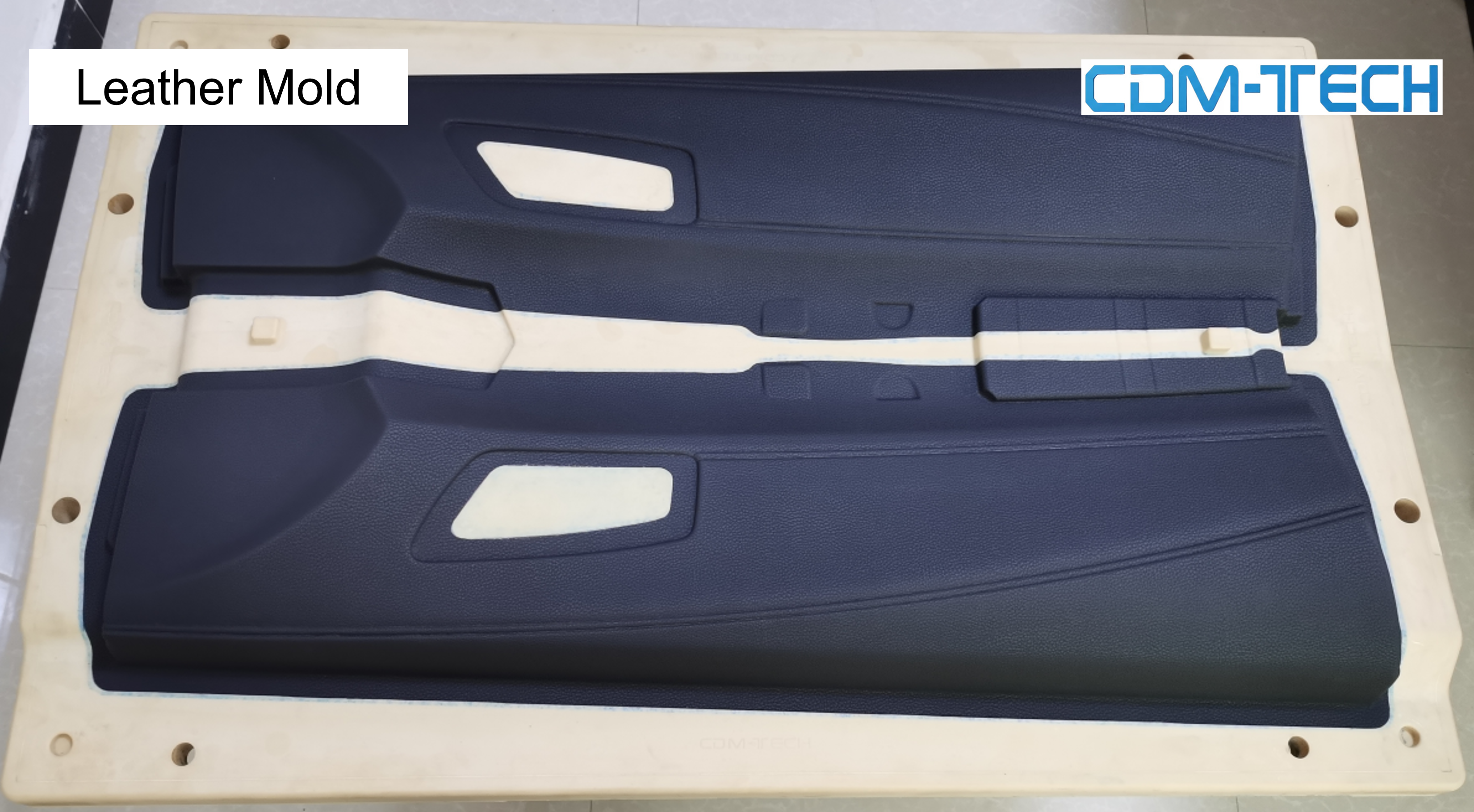
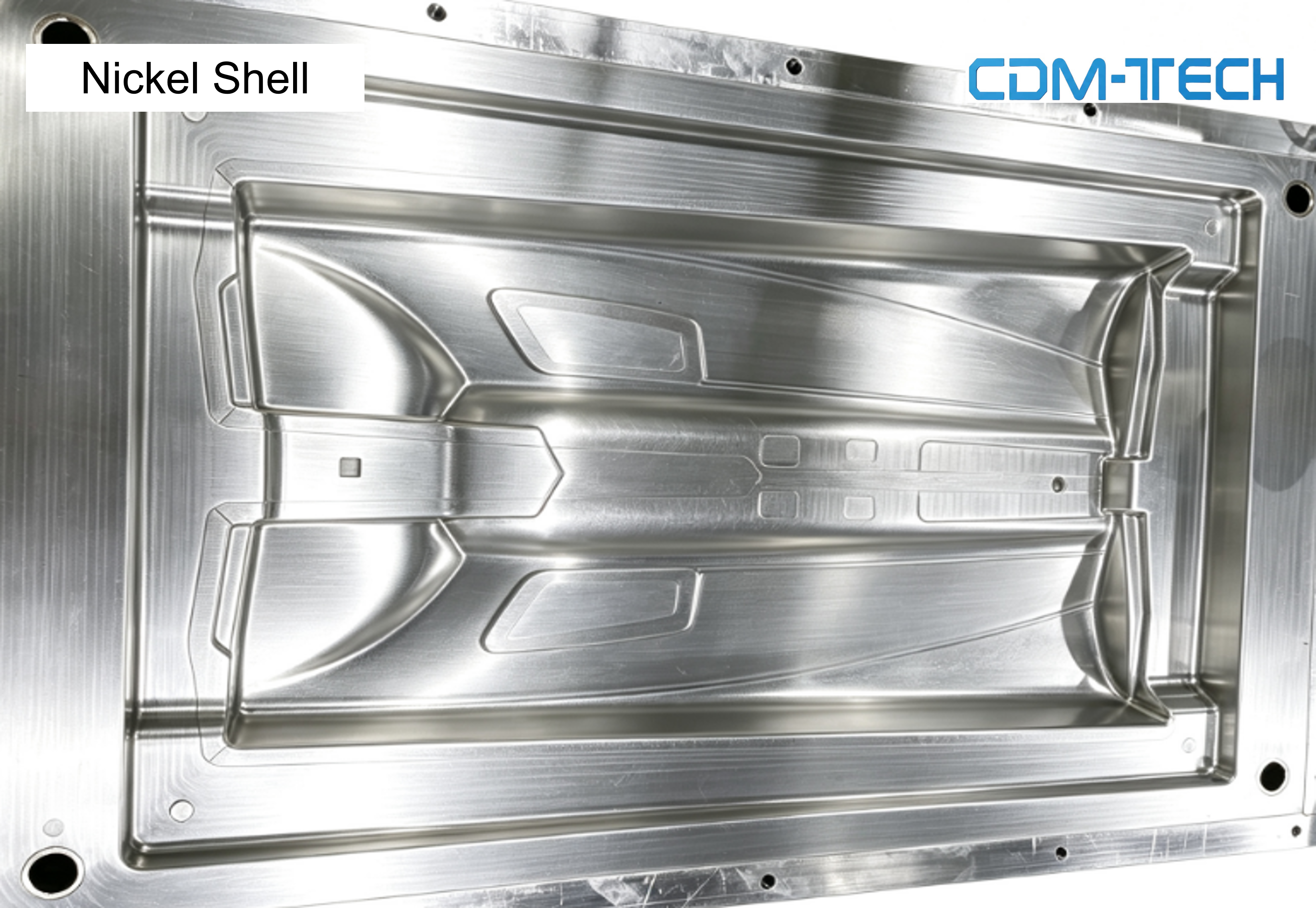
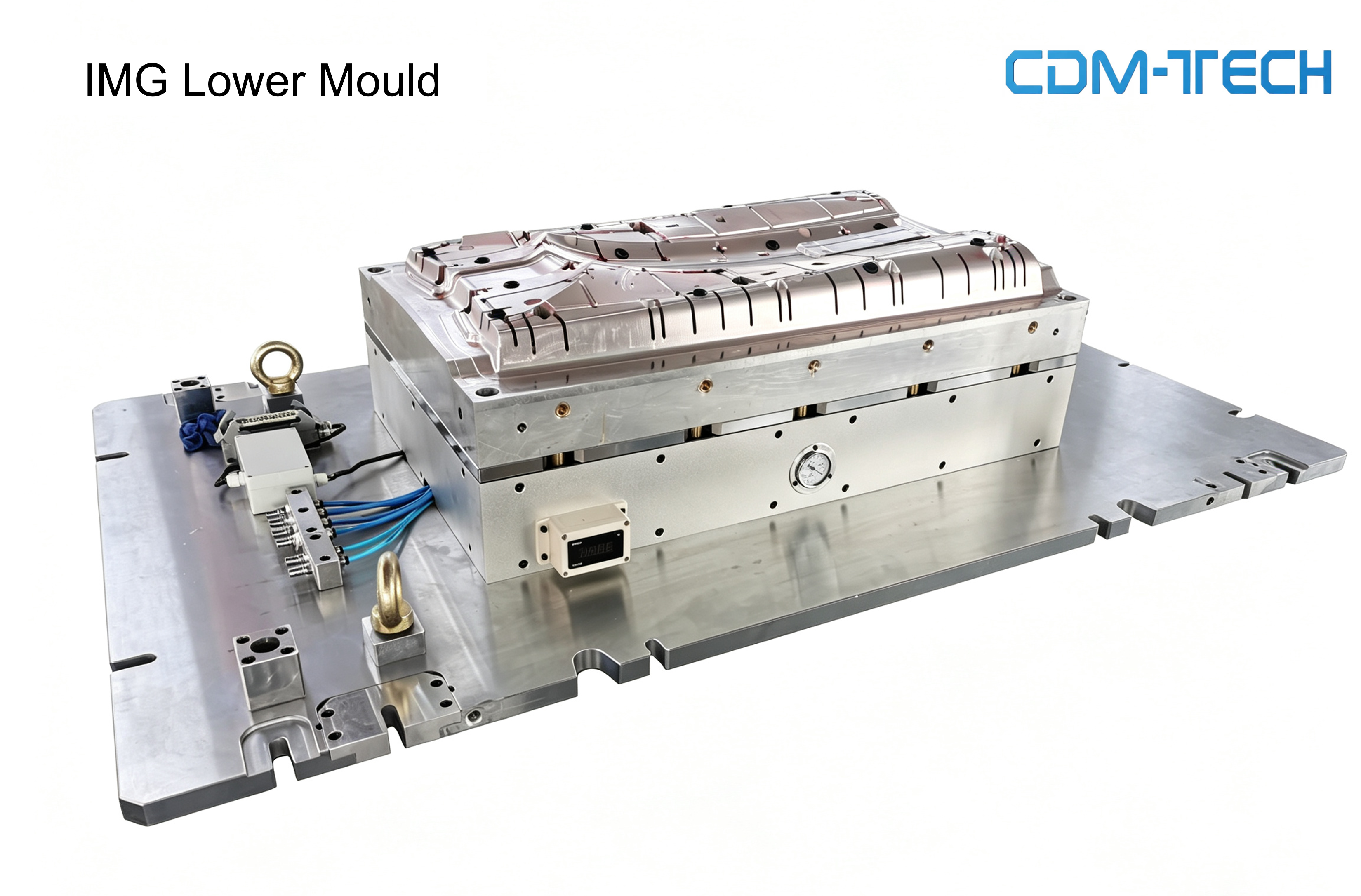
Step 3: The Industrial Power of 3D Reshaping (IMG Upper and Lower Molds)
The 3D-curved nickel shell is integrated into the IMG upper and lower molds. Once heated and softened, the skin material enters the mold cavity. Drawn in instantly by a powerful vacuum, the material perfectly adheres and conforms seamlessly to every 3D corner of the mold. This achieves flawless one-piece molding—all without the need for redundant processes like splicing or stitching.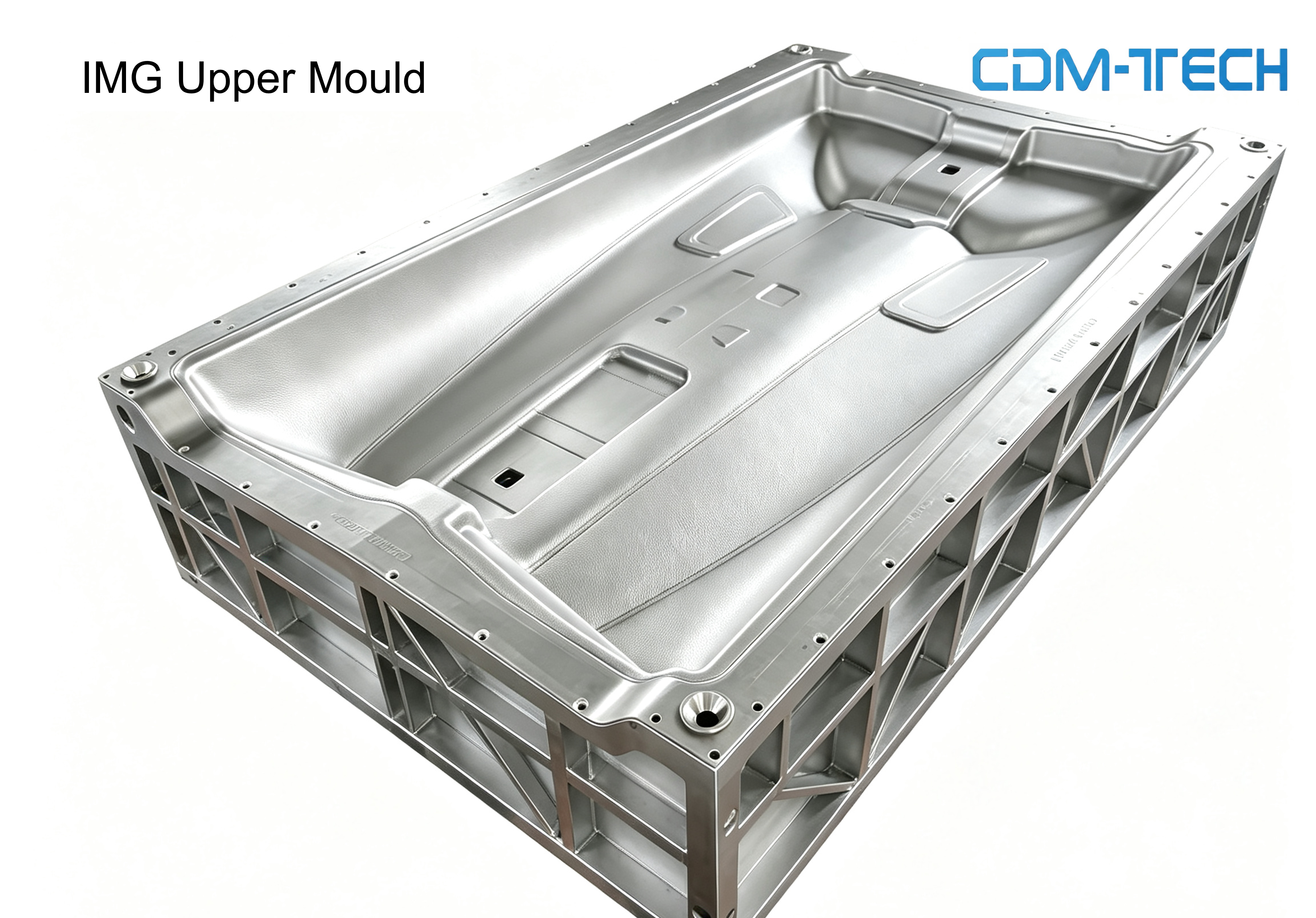
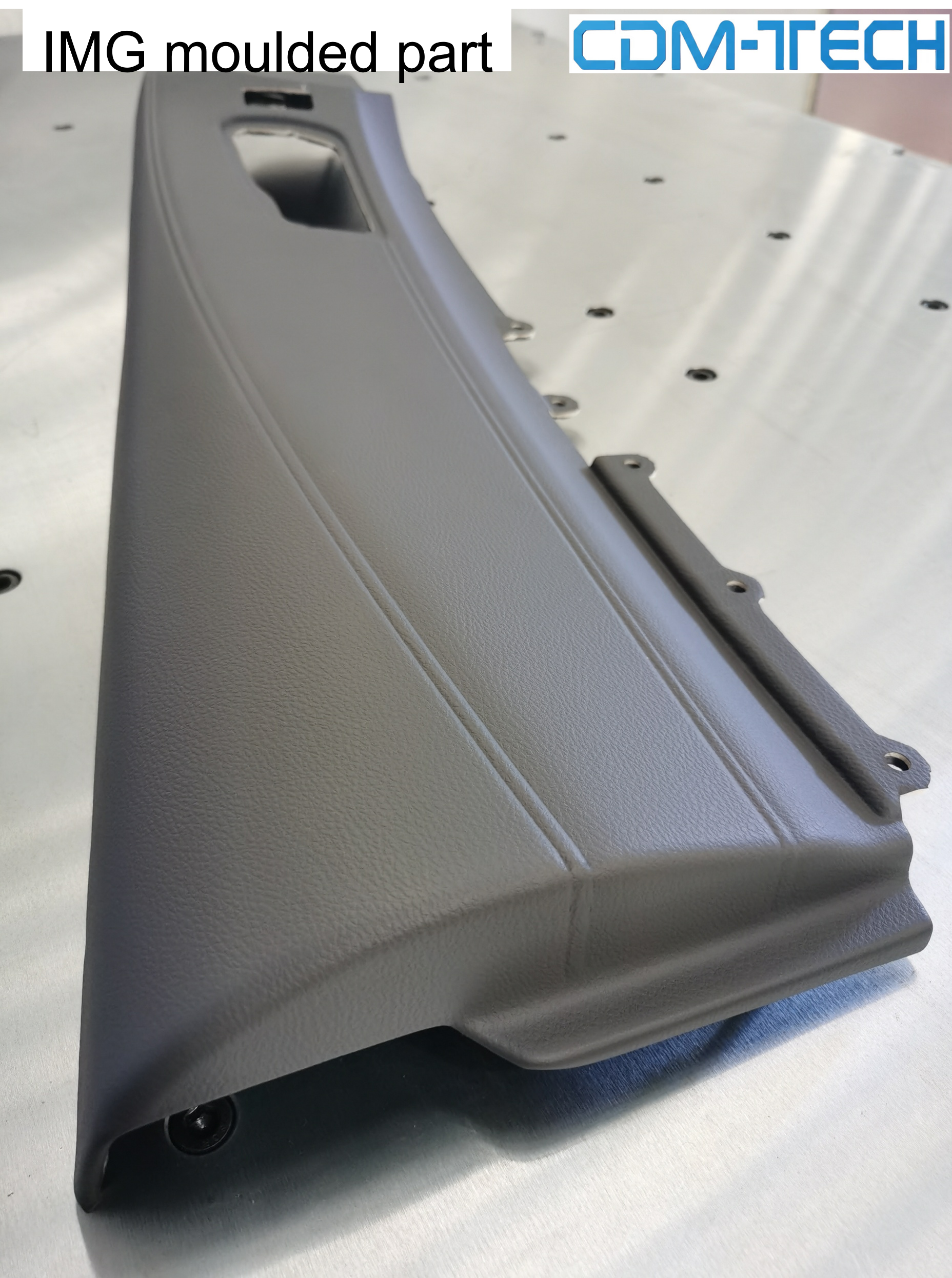
Constant Cost, Exponential Value: Without incurring a single cent of extra cost, the client successfully realized a multi-curved 3D door panel design that would traditionally require highly expensive patchwork methods.
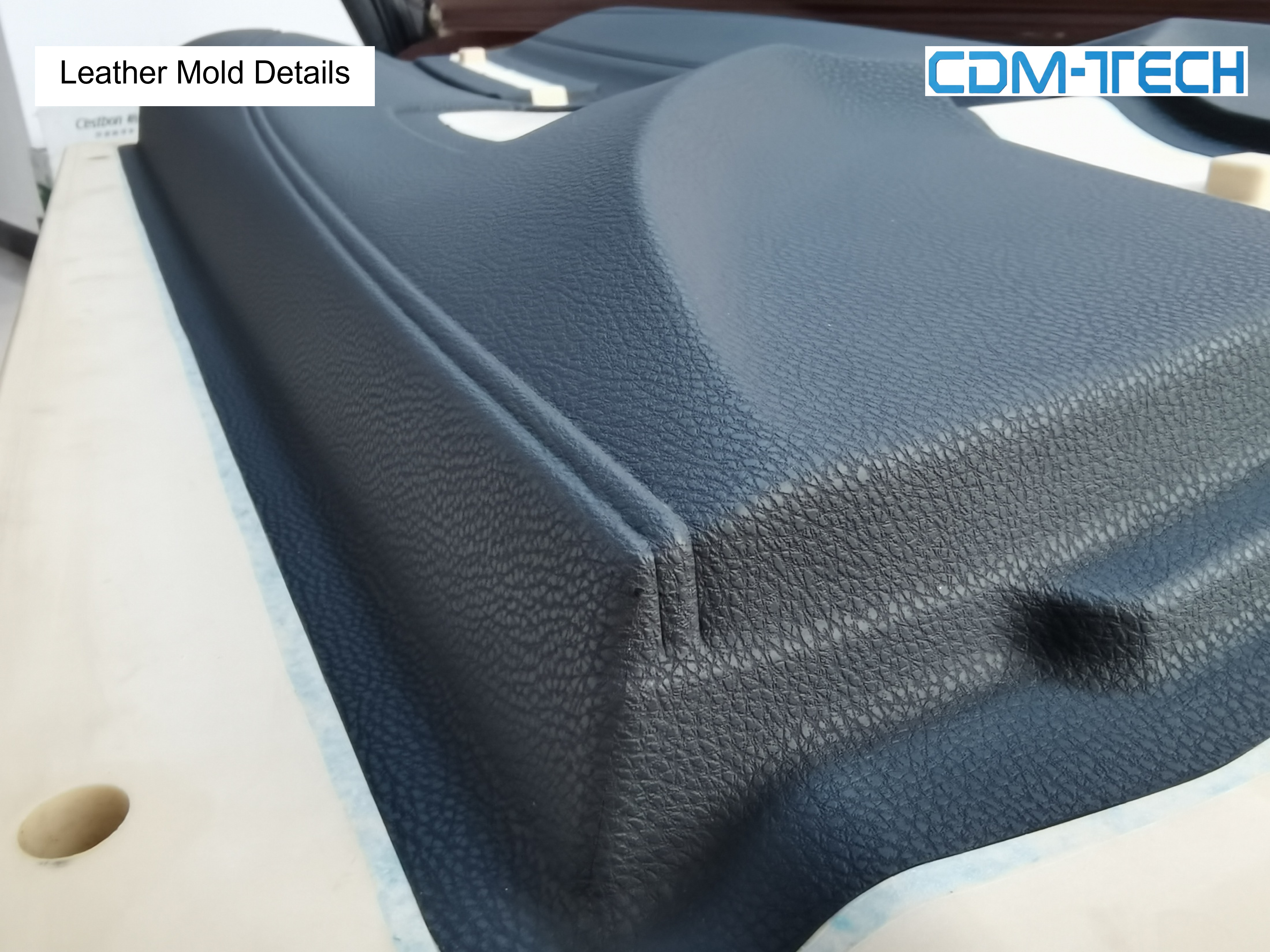
Flawless 3D Replication for Striking Depth: Even across extreme drop-offs in deep recesses and twisted geometric planes, the surface material fits snugly and flawlessly, without the slightest awkwardness or blemish.
Precision Character Lines for Crisp Aesthetics: Those four vivid main design lines have been authentically brought to life. The character lines are sharp and crisp, completely eliminating the common industry problem of blurred or stretched textures around curved corners.
In Conclusion:
The mesmerizing 3D visual impact of the Toyota Sienna door panel is a testament to the designer's bold departure from convention, underpinned by the silent strength of the IMG process and our engineering team's tooling innovations. This breakthrough demonstrates that at zero additional cost, IMG tooling can perfectly reproduce even the most challenging 3D geometric curves. Ultimately, it achieves a supreme unity of depth, variety, and crisp lines, elevating the automotive cabin into a genuine, three-dimensional masterpiece of industrial art.


